Spheroid Plates for Reliable 3D Cell Culture
CEROplate Ultra-Low-Attachment: Unmatched performance and reliability for spheroid culture
CEROplate – Reliable Formation of Spheroids and Organoids
Designed for optimal spheroid culture, our high-quality CEROplate Ultra-Low Attachment bridge the gap between traditional 2D cultures and the complex in vivo environment.
Fast and Reliable Spheroid Formation
Uniform spheroids form within 2 to 24 hours (depending on cell type).
Extended 3D Culture Viability
Enables long-term cultivation of robust and functional 3D cell models.
Highly Durable Surface
Resistant to scratches and chemical exposure, ensuring lasting performances.
Minimizes Protein and Compound Binding
Reduces interactions, allowing accurate control of assay conditions.
Optimized for Spheroids and Organoids
Prevents cell attachment, supporting effective suspension cultures and organoid development.
Consistent Quality
Produced with precision, the CEROplates are sterile, endotoxin-free, and non-cytotoxic.
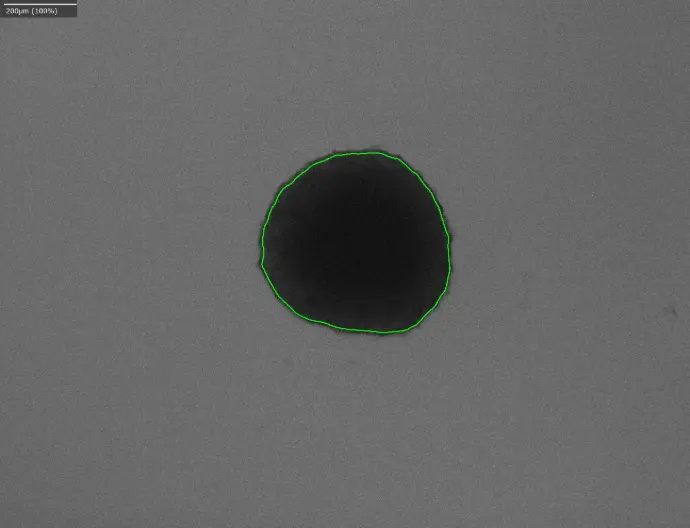
Our product's ability to produce symmetrical spheroids per well enhances the consistency of your data, eliminating issues such as deposits or irregular shapes that can affect your research outcomes.
Ultra-Low Attachment Plates for Spheroid Culture
Ultra-low attachment (ULA) plates have a surface that cells cannot adhere to. Instead of spreading out as a monolayer, the cells aggregate into a spheroid. In CEROplates, uniform spheroids form within 2 to 24 hours, depending on the cell type.
CEROplates are available in four formats: 96-well and 384-well plates with U-bottom for one spheroid per well, and 6-well and 24-well plates with flat bottom. All are made of polystyrene and are sterile, endotoxin-free and non-cytotoxic. The surface is resistant to scratches and chemicals and minimises protein and compound binding.
CEROplates belong to the CERO family of consumables for the CERO 3D incubator and bioreactor.
Ultra-low attachment plates in the shop Discover the CERO 3D Bioreactor
Applications
Screen Compounds in 3D Cell Culture Systems
Mimic Extracellular Environments for Stem Cells
Establish Novel and Challenging Cell Cultures
Perform Noise-Free Biochemical Assays
Solve Your Biointerface Challenges